Get Residential Lawn Aeration
Residential lawn aeration services involve local contractors creating small holes in your yard to improve soil health, reduce compaction, and promote healthier grass growth.
Property owners interested in maintaining a healthy, lush lawn often consider aeration as an essential part of their landscape care. This service involves perforating the soil to allow air, water, and nutrients to reach grass roots more effectively, promoting stronger growth and improved overall appearance. If your yard has experienced compaction, thinning grass, or uneven growth, exploring aeration options can be a practical step toward revitalizing your outdoor space.
When planning landscaping projects or seeking ways to enhance curb appeal, comparing local contractors who specialize in residential lawn aeration can help identify the right fit for your needs. These service providers understand the specific conditions of properties in the area and can offer tailored solutions to support a thriving lawn. Keep reading to learn more about how local experts can assist with your lawn care goals.
- Residential Lawn Aeration Services - homeowners may need this work to improve soil health and promote stronger grass growth.
- Residential Lawn Aeration Services - property owners might seek aeration to alleviate soil compaction in high-traffic areas.
- Residential Lawn Aeration Services - those preparing their lawn for overseeding or fertilization often require aeration services.
- Residential Lawn Aeration Services - individuals noticing pooling or poor drainage in their yard may benefit from aeration.
- Residential Lawn Aeration Services - homeowners aiming to enhance overall lawn appearance and vitality may consider professional aeration.
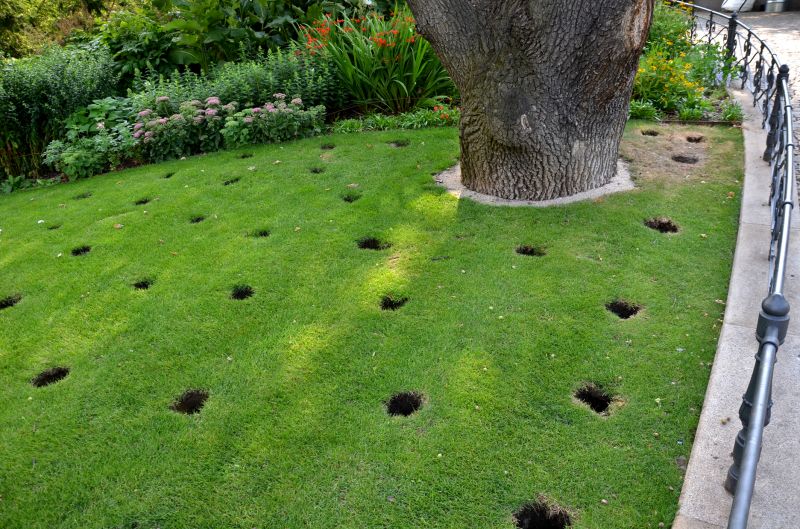
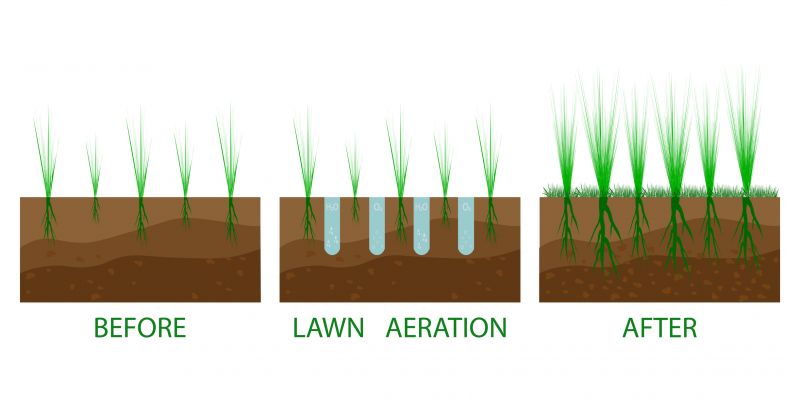
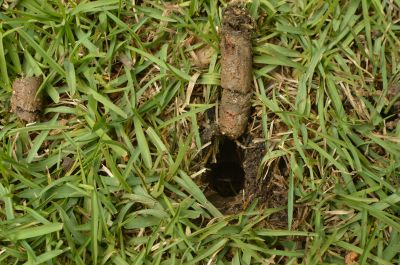
Residential lawn aeration services involve creating small holes in the soil to improve its overall health and vitality. This process typically uses specialized equipment to remove plugs of soil from the yard, allowing air, water, and nutrients to reach the grassroots more effectively. Aeration is especially beneficial for lawns that see heavy foot traffic or have become compacted over time, as it helps loosen the soil and promotes a healthier root system. Homeowners often consider this service when their grass appears thin, patchy, or struggles to recover from drought or drought-like conditions.
Lawn aeration addresses several common problems that can hinder a lush, green yard. It helps alleviate soil compaction caused by regular use, which can restrict root growth and limit the absorption of essential nutrients and water. Aeration also reduces thatch buildup-a layer of dead grass and roots that can prevent water and nutrients from penetrating the soil. Additionally, aerating can improve drainage in areas prone to standing water and reduce the risk of disease by promoting better airflow around the grass roots. These benefits contribute to a more resilient and vibrant lawn that can withstand seasonal stresses.
This service is popular among homeowners with various types of properties, including single-family residences, townhomes, and larger estate grounds. It is particularly useful for lawns with heavy clay soil, which tends to become compacted more easily, or lawns that have experienced recent renovations or heavy use. Properties with extensive turf areas, sports courts, or play zones often benefit from regular aeration to maintain their appearance and health. Even smaller yards can see significant improvements in grass density and overall quality through periodic aeration performed by experienced local contractors.
Homeowners who notice signs such as water pooling, poor grass growth, or a spongy feel underfoot may find lawn aeration to be a practical solution. It is also recommended as part of routine lawn care for those aiming to maintain a lush, healthy yard year-round. By connecting with local service providers, homeowners can find the right aeration services tailored to their property’s specific needs. Properly aerated lawns not only look better but also become more resistant to drought and disease, making this a valuable step in maintaining a beautiful outdoor space.
The overview below groups typical Residential Lawn Aeration projects into broad ranges so you can see how smaller, mid-sized, and larger jobs often compare in your area.
In many markets, a large share of routine jobs stays in the lower and middle ranges, while only a smaller percentage of projects moves into the highest bands when the work is more complex or site conditions are harder than average.
Basic Aeration - For small to medium lawns, local pros typically charge between $250 and $600. Many routine projects fall within this range, covering standard aeration services for typical residential yards.
Standard Lawn Projects - Larger, more comprehensive aeration jobs usually cost between $600 and $1,200. These projects often involve larger areas or more detailed work, with fewer projects reaching above this range.
Complex or Multiple-Visit Jobs - For properties requiring extensive aeration or multiple sessions, costs can range from $1,200 to $2,500. Such projects are less common and usually involve additional services or challenging terrain.
Full Lawn Renovation - Large-scale or highly customized aeration and lawn renovation projects can exceed $5,000. These are typically reserved for extensive landscaping needs or commercial properties, and are less frequently encountered.
Actual totals will depend on details like access to the work area, the scope of the project, and the materials selected, so use these as general starting points rather than exact figures.
Soil Testing and Preparation - Local contractors offering soil testing and preparation services utilize similar planning and equipment as lawn aeration to assess soil health and improve turf conditions.
Core Lawn Dethatching - Dethatching involves removing built-up organic matter from the lawn surface, requiring similar tools and expertise as aeration to promote healthy grass growth.
Overseeding Services - Overseeding involves spreading grass seed to fill in bare spots, often coordinated with aeration to enhance seed-to-soil contact and improve germination rates.
Landscape Grading and Soil Leveling - Grading and leveling projects require planning and equipment comparable to aeration, ensuring proper drainage and soil stability for lawns.
Drainage System Installation - Installing drainage solutions involves planning and excavation skills akin to those used in lawn aeration, to prevent water pooling and soil erosion.
Garden Bed Preparation - Preparing garden beds includes soil aeration and loosening techniques to improve soil structure and promote healthy plant growth.
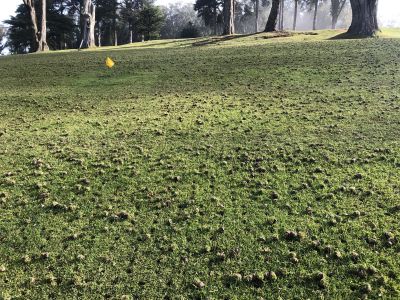
When selecting a contractor for residential lawn aeration, it is helpful to consider their experience with similar projects. A service provider who has worked on lawns comparable in size, soil type, or grass variety can often deliver more effective results. Asking about their background with projects like yours can provide insight into their familiarity with common challenges and best practices, ensuring that the work aligns with your lawn’s specific needs.
Clear, written expectations are essential when comparing local contractors. A reputable service provider should be able to outline what the aeration process involves, including the methods used and the scope of work. Having these details in writing helps to prevent misunderstandings and ensures that both parties are aligned on what will be accomplished, making it easier to evaluate each option objectively.
Reputable references and good communication are key factors in choosing a reliable service provider. Asking for references or reviews from previous clients can reveal how well a contractor manages projects similar to yours and their level of professionalism. Additionally, clear and prompt communication during the inquiry process often indicates a contractor’s commitment to transparency and customer service, which can contribute to a smoother experience from start to finish. It’s important to remember that this site introduces homeowners to local options and does not perform the work itself.
Property owners use Residential Lawn Aeration services for practical projects around their homes and businesses. This guide focuses on everyday jobs and straightforward project options.
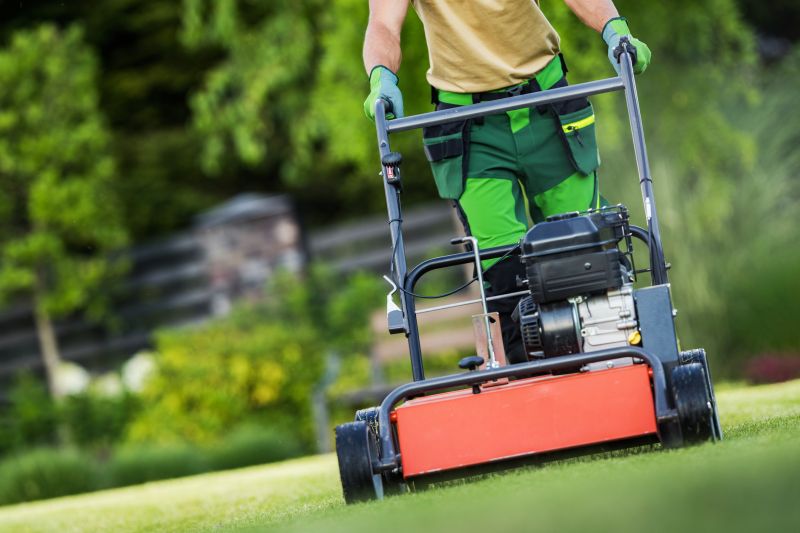
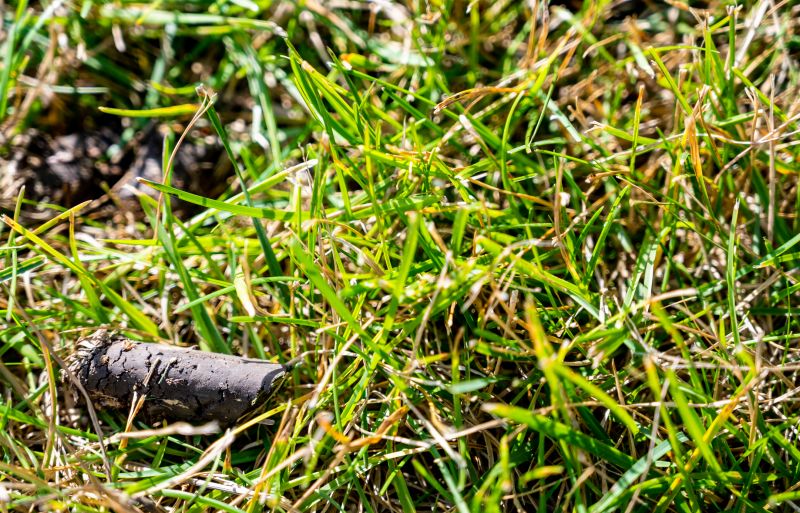
Residential lawn aeration services are often sought by property owners who notice areas of their yard becoming compacted or uneven. Over time, foot traffic, heavy equipment, or natural soil settling can restrict air, water, and nutrient flow to the grass roots, leading to thinning patches or stubborn brown spots. Local contractors can provide aeration to help loosen the soil, improve overall lawn health, and promote stronger, more resilient grass growth.
Homeowners may also look for aeration services when preparing their yard for seasonal changes or new landscaping projects. Regular aeration can be a key step in maintaining a lush, vibrant lawn, especially in areas with dense soil or clay. Local service providers are equipped to handle these projects, offering tailored solutions to keep lawns healthy and looking their best throughout the year.
What is lawn aeration? Lawn aeration involves creating small holes in the soil to improve air, water, and nutrient penetration, promoting healthier grass growth.
Why should I consider lawn aeration? Aeration can help reduce soil compaction, improve drainage, and enhance the overall health and appearance of a lawn.
How often should lawn aeration be done? Typically, lawn aeration is recommended once or twice a year, depending on soil type and lawn usage, to maintain optimal turf health.
What methods do local contractors use for aeration? Many service providers use core aerators that remove small plugs of soil, but some may also use spike aerators that create holes without removing soil.
Can lawn aeration be combined with other lawn care services? Yes, aeration is often performed alongside overseeding, fertilization, or dethatching to improve overall lawn quality.
Improve Lawn Health - Property owners can use lawn aeration services to promote healthier grass growth by reducing soil compaction and increasing nutrient absorption.
Prepare for Seeding or Overseeding - Lawn aeration can create optimal conditions for new grass seed to establish roots and thrive.
Manage Thatch Buildup - Regular aeration helps break down excess thatch, preventing issues like pests and disease.
Enhance Water Absorption - Aerating the lawn allows water to penetrate deeper into the soil, reducing runoff and promoting efficient watering.
If you are thinking about Residential Lawn Aeration for a property, this guide is meant to help you understand the work, the typical project types, and how different options might fit your plans.
When you are ready, you can use the quote form on this page to share a few details about your project. From there, local pros can review the basics and respond with options that match what you have in mind.