Optimal Timing for Lawn Aeration
Lawn aerating is most effective during specific times of the year to promote healthy grass growth and soil health. The optimal period depends on the type of grass and local climate conditions. Proper timing can enhance nutrient absorption, improve drainage, and reduce soil compaction.
Ideal for cool-season grasses, spring aeration helps repair winter damage and prepares the lawn for active growth.
Best for cool-season grasses, fall aeration supports root development and prepares the lawn for winter dormancy.
Suitable for warm-season grasses, this timing encourages strong growth during warmer months.
Supports warm-season grasses as they recover from summer stress and prepare for the dormant season.
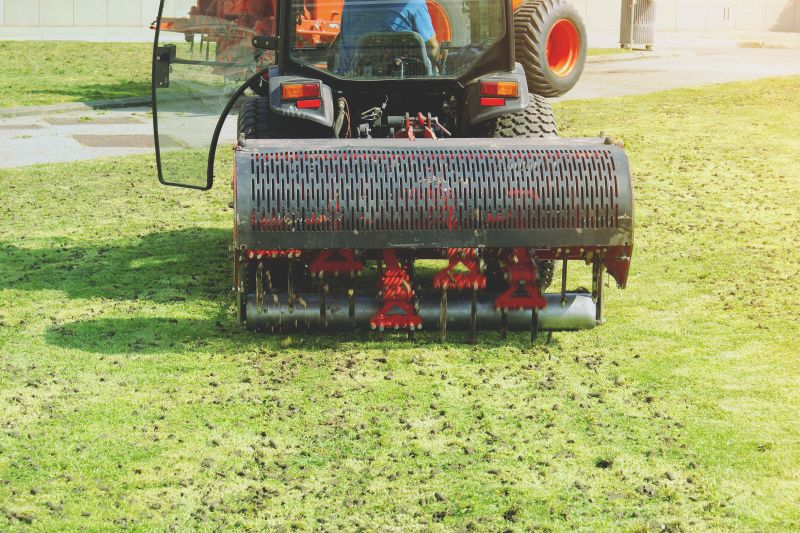
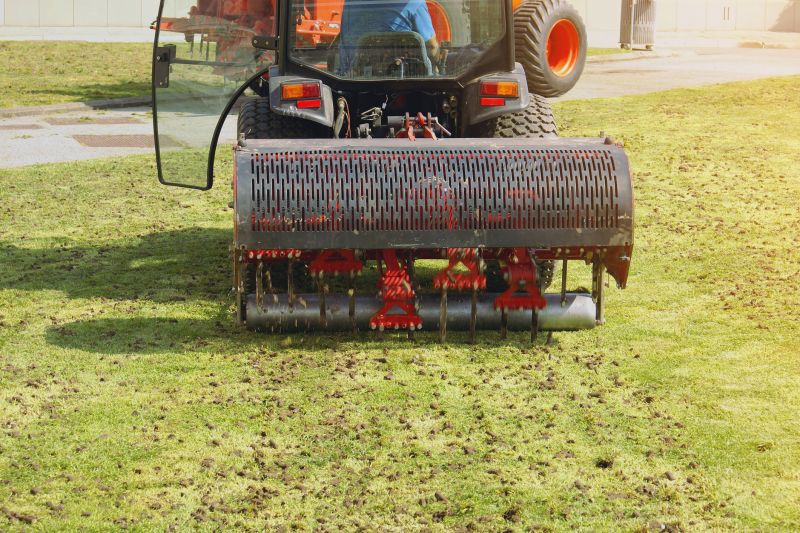
A professional aerator removing soil plugs to improve soil health.
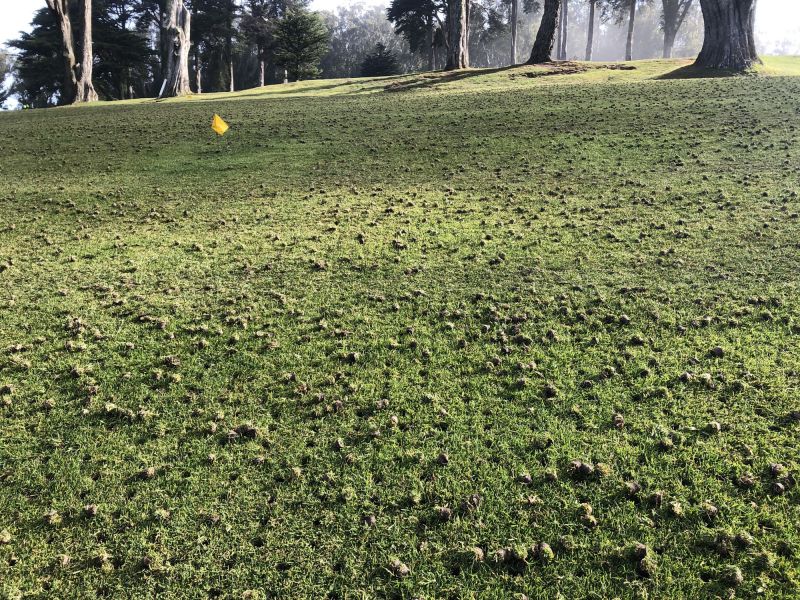
Healthy, green lawn post-aeration during spring.
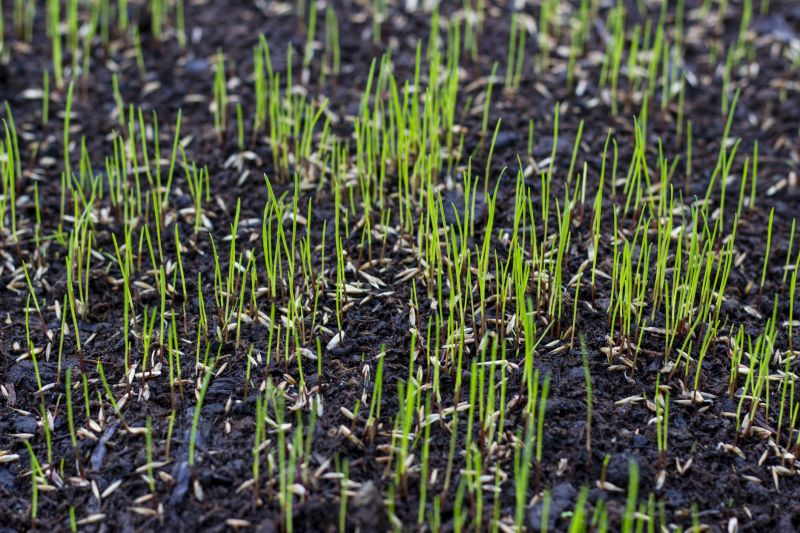
Lawn showing signs of recovery after fall aeration.
Ways to make Lawn Aeratings work in tight or awkward layouts.
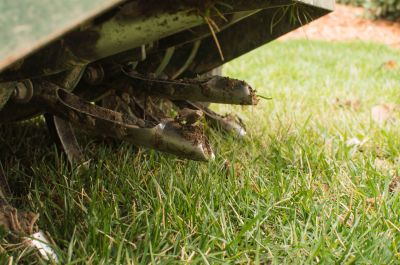
Popular materials for Lawn Aeratings and why they hold up over time.
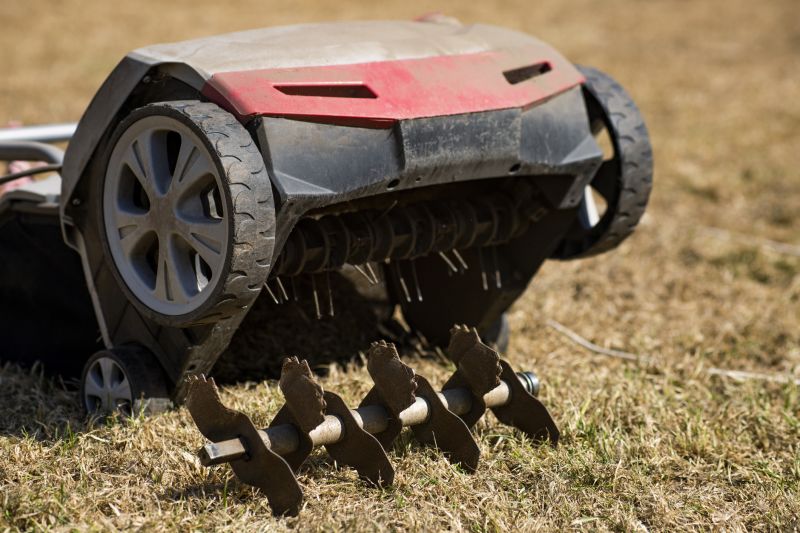
Simple add-ons that improve Lawn Aeratings without blowing the budget.
| Season | Recommended Timing |
|---|---|
| Spring | Early to mid-spring for cool-season grasses |
| Fall | Late fall for cool-season grasses |
| Late Spring to Early Summer | Warm-season grasses |
| Late Summer to Early Fall | Warm-season grasses |
| Mid-Summer | Not recommended |
Lawn aerating involves perforating the soil with small holes to alleviate soil compaction and promote better air, water, and nutrient penetration. This process is essential for maintaining a healthy lawn, especially in areas with heavy foot traffic or clay soils. Aeration can be performed using manual tools or mechanical equipment, with the latter providing more consistent results over larger areas.
Statistics indicate that aerated lawns experience improved grass growth, increased drought resistance, and enhanced nutrient uptake. Regular aeration, typically once or twice per year, can significantly extend the lifespan of a healthy lawn and reduce the need for chemical fertilizers and water.
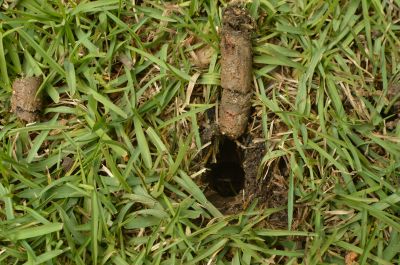
Soil plugs being removed during aeration.
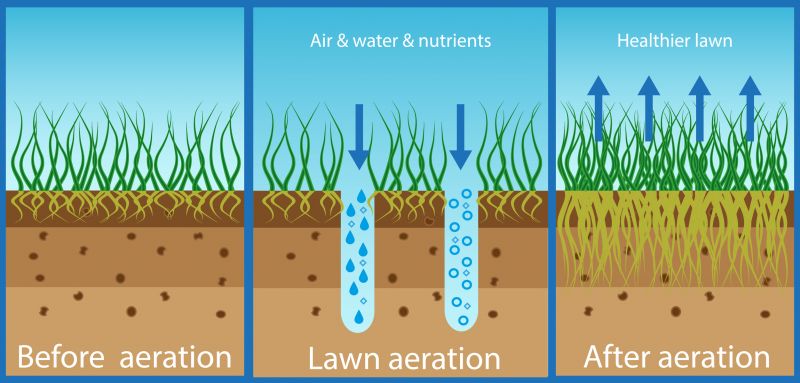
Lush, green grass after aeration.
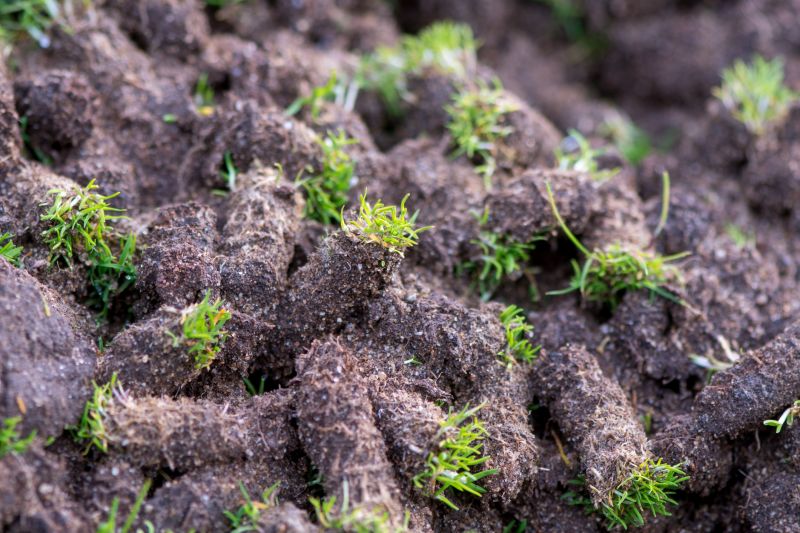
Close-up of soil plugs after aeration.
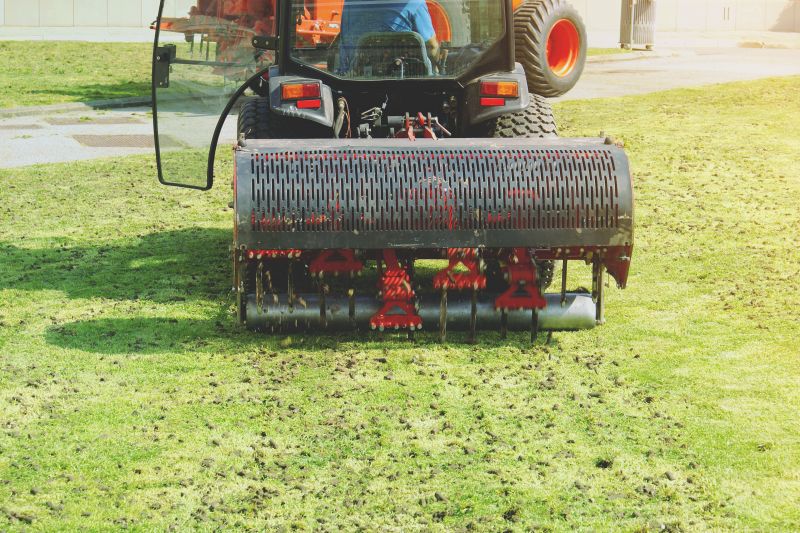
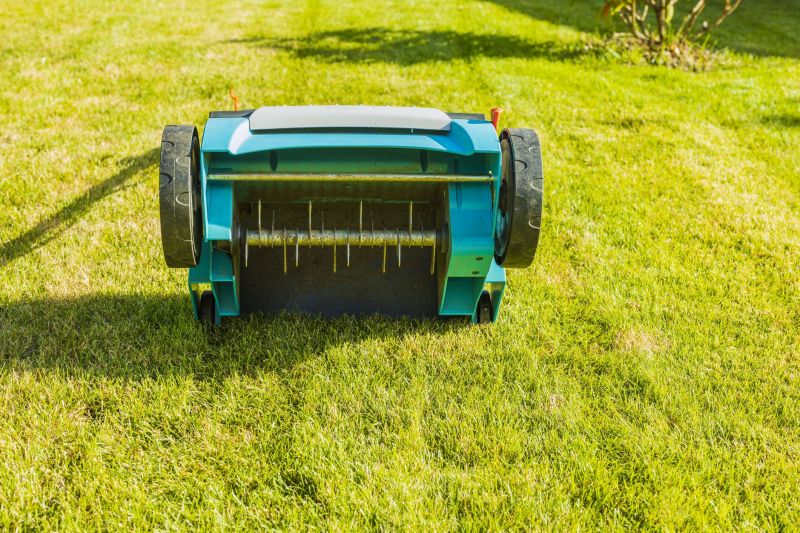
Mechanical aerator in use on a lawn.
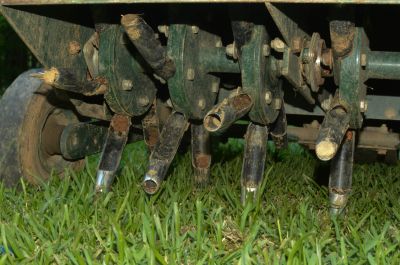
High-end options that actually feel worth it for Lawn Aeratings.

Finishes and colors that play nicely with Lawn Aeratings.
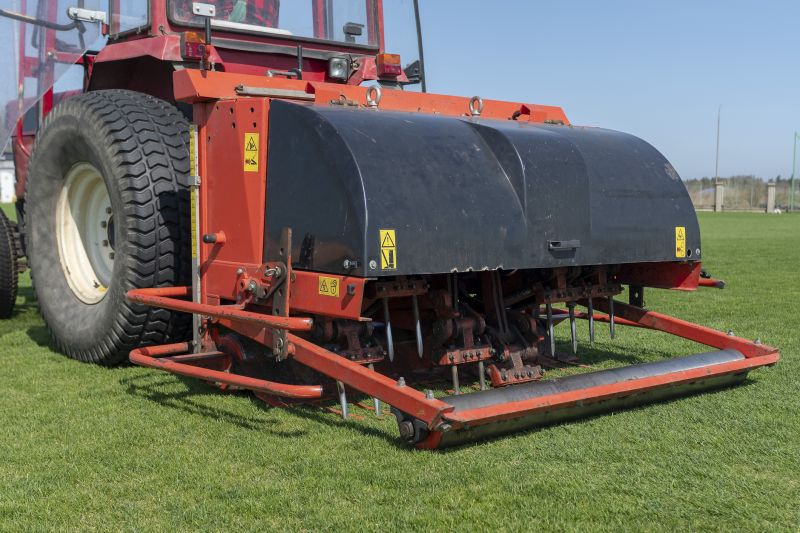
Little measurements that prevent headaches on Lawn Aeratings day.
A 60-second routine that keeps Lawn Aeratings looking new.
Interested in scheduling lawn aerating services? Filling out the contact form can provide more information and help plan the optimal timing for lawn maintenance tailored to specific grass types and local conditions.